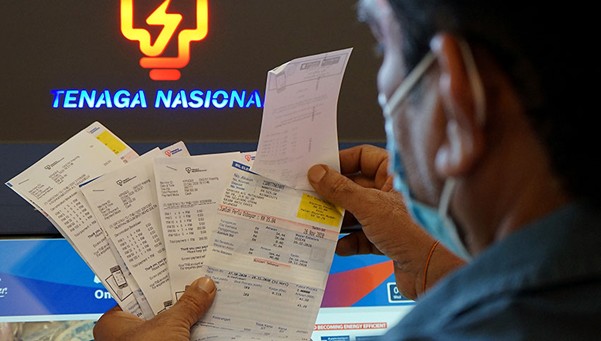
Starting 1 July 2025, businesses across Malaysia — from small retailers to large industrial plants — will see a new structure in their monthly electricity bills. The update, announced by Tenaga Nasional Berhad (TNB), is part of the country’s move toward a more transparent and cost-reflective energy billing system.
But what does this mean for your bottom line? And how can your business respond strategically — or even turn rising costs into long-term savings?
Let’s break it down.
What’s Changing in the Non-Domestic Tariffs?
Under the new structure, non-domestic electricity users — which include Tariff B and C (commercial), Tariff D and E (industrial) — will experience:
1. Component-Based Billing

Instead of a single blended rate, bills are now itemized into:
- Energy charge
- Capacity charge
- Network charge
- Retail charge
- AFA (Automatic Fuel Adjustment) — replacing the old ICPT surcharge
This means more transparency, but also more volatility — especially with fuel prices changing monthly under the new AFA mechanism. At the time of writing, TNB has yet to reveal the AFA rate for July 2025.
2. Higher Overall Tariffs
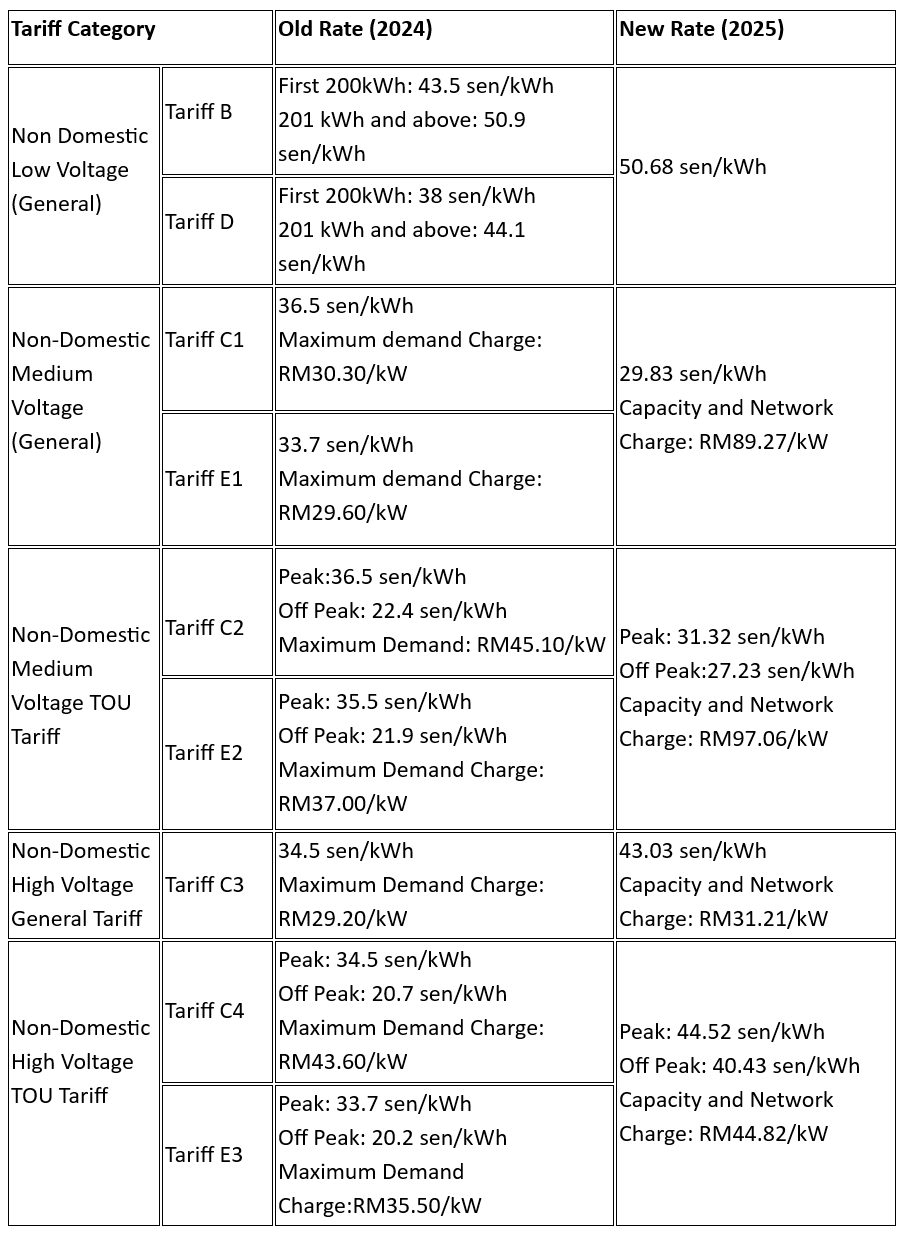
These increases reflect a move to cost-reflective pricing, where each user pays based on their actual usage pattern, peak demand, and network strain.
⏱ 3. Expanded Time-of-Use (ToU) Options
For businesses with smart meters, ToU tariffs are now more widely available. This allows you to:
- Shift non-essential operations to off-peak hours
- Reduce your peak demand charges
- Save more by optimising your energy schedule
The Bottom Line for Business
Most businesses will see a monthly increase of up to 62% on their electricity bills depending on load size and usage patterns.
And with AFA charges changing monthly, managing long-term utility costs has just become more complex.
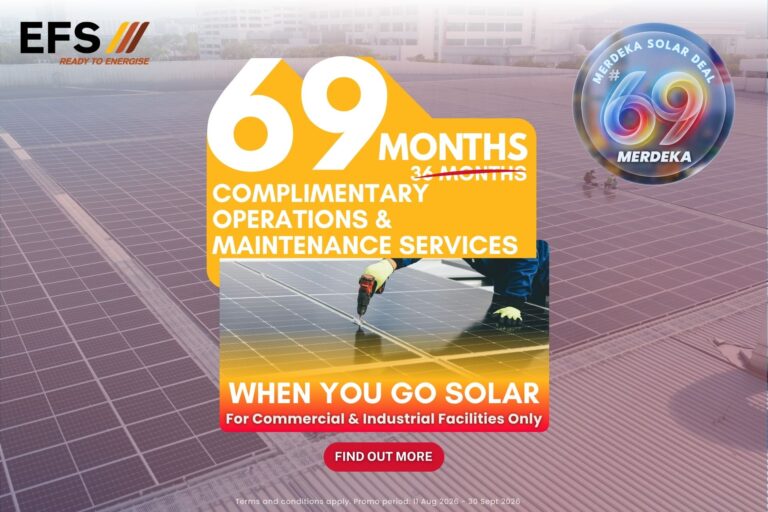
Why It Makes Sense to Go Solar Now
With higher and more volatile electricity charges, solar energy is no longer just a green option — it’s a business strategy.
Benefits of Solar for Commercial & Industrial Users:
✅ Reduce grid dependence
Generate your own electricity on-site, offsetting daytime usage when rates are highest.
✅ Avoid rising AFA surcharges
Solar protects you from fluctuating fuel costs — what you generate, you don’t buy.
✅ Fast ROI
Most C&I solar systems reach payback in 2-4 years, with savings continuing for 20–25 years.
✅ Boost ESG performance
Showcase your sustainability leadership to customers, investors, and regulators.
Final Thoughts
Electricity is one of the biggest operating costs for Malaysian businesses — and it’s getting more complex. With the new tariff system, those who understand and manage their energy proactively will be in the strongest position to remain competitive.
Solar is a powerful way to take control.
If you’re ready to explore how much your business can save with solar, our team can provide:
- A free bill analysis
- A tailored ROI proposal
- End-to-end support from design to installation
Get in touch today here — and future-proof your energy costs.