Rising geopolitical tensions in the Middle East are once again casting a long shadow over global energy markets. As a region that plays a critical role in oil and gas supply, any instability there tends to ripple outward, driving uncertainty, tightening supply expectations, and ultimately pushing energy costs higher worldwide. For energy-importing countries like Malaysia, this translates into growing pressure on electricity pricing.
These concerns are not unfolding in isolation. Movements in global crude oil prices, alongside shifts in local fuel pricing, are already reflecting the broader volatility in energy markets. The tables below illustrate recent trends across both, providing a clearer picture of the cost pressures building beneath the surface.
| Energy Commodity Metric | 2025 Average / Baseline | March 2026 Conflict Peak | Percentage Increase |
| Brent Crude Oil (Global Spot) | $63 (Oct 2025) | $119.96 | ~90.3% |
| Brent Crude Oil (Budget Avg) | $69.04 | $120.00 | ~73.8% |
| WTI Crude Oil (Spot) | $73.97 (Oct 2024) | $93.39 (Feb 2026) | ~26.3% |
| Fuel Category | 2025 Baseline Price | April 2026 Price | Percentage Increase |
| RON97 (Premium Grade) | RM3.85 | RM4.95 | ~28% |
| Diesel (Peninsular Malaysia) | RM3.92 | RM6.02 | ~53% |
| Ron95 (Non-subsidized) | RM2.05 | RM3.87 | ~88% |
Prices as at April 2, 2026
Local media coverage increasingly points to a challenging energy outlook ahead, reinforcing concerns that current cost pressures may persist. According to The Star, our Energy Commission (ST) has begun urging Malaysians to conserve electricity and consider solar, a message that stands out not just for its practicality, but for what it implies: the era of stable, predictable energy costs may be ending. Prime Minister Datuk Seri Anwar Ibrahim has even announced a Work From Home (WFH) directive from April 15 onwards for public sectors, government linked companies, agencies and statutory bodies to cushion the impact.
The urgency of the situation is further underscored by Transport Minister Anthony Loke Siew Fook, a recent report by New Straits Times says Loke warned that the country is effectively operating in “crisis mode”. While the full impact has yet to be felt, he stressed that Malaysians should begin adopting fuel-saving habits now to cushion against potential disruptions if the conflict drags on. It’s a clear signal that the risks are not theoretical, they are already influencing national policy thinking.
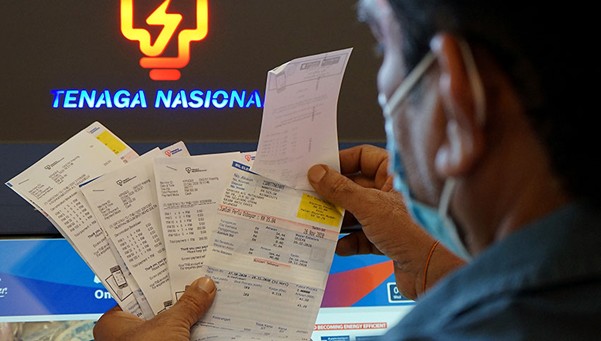
The gradual reduction in AFA (Automatic Fuel Adjustment) rebates, from deeper negatives in late 2025 to near-neutral levels in April 2026, suggests a clear trend. What was once a buffer lowering bills may soon flip into a surcharge. As reported by The Edge, Malaysia’s automatic fuel adjustment mechanism is expected to provide rebates up until July, based on the latest forecast by Tenaga Nasional Bhd.
Monthly AFA rates so far:
- July 2025: 0.00 sen/kWh
- August 2025: -1.45 sen/kWh
- September 2025: -1.10 sen/kWh
- October 2025: -6.50 sen/kWh
- November 2025: -8.91 sen/kWh
- December 2025: -6.42 sen/kWh
- January 2026: -4.99 sen/kWh
- February 2026: -2.77 sen/kWh
- March 2026: -2.15 sen/kWh
- April 2026: -0.47 sen/kWh
This shift is particularly significant for businesses. Energy is a core operational cost across industries, and even small increases can compound quickly at scale. Companies that rely heavily on electricity, manufacturing, logistics, data centres, and even commercial offices are likely to feel the impact first. In a competitive environment, rising overheads can erode margins, force price adjustments, or delay expansion plans.
The broader concern is not just about higher bills, but about predictability. When energy costs become volatile, planning becomes harder. Budgeting, forecasting, and long-term investment decisions all carry more risk. The government’s call to conserve energy, while sensible, also underscores the reality that external factors, far beyond Malaysia’s control are influencing domestic costs.
Against this backdrop, solar energy is no longer a “wait and see” option. It is increasingly becoming a strategic consideration. By generating power on-site, businesses can reduce reliance on grid electricity, hedge against tariff fluctuations, and gain greater control over their energy expenses. What once may have been viewed as a sustainability initiative is now firmly an economic one.
In a world where geopolitical uncertainty is translating directly into operational costs, the question is no longer if energy prices will rise, but how prepared businesses are when they do.
Claim your free Solar Proposal now.