Malaysia’s Leading Energy Efficiency Solutions by EFS Group
EFS Group provides energy efficiency solutions for factories, warehouses, commercial buildings, and energy-intensive facilities across Malaysia. Our services include energy audits, industrial machinery maintenance, equipment monitoring and optimisation, and EV charging solutions that help businesses reduce energy waste, improve equipment reliability, optimise operational performance, and lower long-term electricity costs. With our expertise, businesses can be ready to energise their operations with smarter, more efficient energy solutions.
New Technology
Is Your Facility Losing Energy?
Energy losses are not always obvious from electricity bills. Inefficient operating schedules, ageing machinery, excessive Maximum Demand (MD), poor power factor, idle equipment, and limited energy visibility can all increase electricity costs without improving production.
EFS Group provides solar O&M services to analyze site data, equipment performance, and operating conditions to identify where power is lost and recommend practical improvements that enhance energy efficiency and reduce operating costs.
Reasons Why Your Facility May Be Losing Energy
Rising Electricity Consumption
Electricity usage increases without a corresponding increase in production output
Inefficient Equipment
Machinery consumes more electricity than expected due to ageing, poor maintenance, or inefficient operation.
High Maximum Demand (MD)
Peak electricity demand remains consistently high, resulting in increased demand charges
Frequent Machinery Faults
Equipment failures and recurring faults and reduced operational efficiency
Limited Energy Monitoring
Insufficient monitoring makes it difficult to identify where energy is being consumed or wasted
Our Solutions
What Does an Energy Audit Measure?
An energy audit establishes where energy is consumed, evaluates how equipment performs, and highlights opportunities to improve energy efficiency. The assessment establishes a performance baseline that enables management teams to measure future improvements and verify energy savings over time.

Historical electricity use
Long-term electricity consumption patterns and seasonal variations

Maximum demand
Peak demand periods and the facility’s highest electricity demand on the grid

Load profile
Electricity consumption patterns throughout the operating day

Power factor
How effectively electrical power is being utilised across the facility

Specific energy consumption
Electricity consumed per unit of production or operational output

Equipment runtime
Productive operating hours, idle time, and equipment scheduling efficiency

Maintenance records
Historical faults, equipment breakdowns, and maintenance history
Production data
The relationship between production output and energy consumption
What Will the Energy Audit Report Include?
The final report outlines the facility’s energy baseline, identifies major energy-consuming equipment, and highlights opportunities to reduce energy waste. Each recommendation includes the estimated energy savings, implementation cost, expected payback period, and suggested priority for implementation.
For organisations designated under Malaysia’s Energy Efficiency and Conservation Act 2024, the required audit must be conducted by a Registered Energy Auditor. Designated consumers are also required to comply with obligations relating to energy management systems, energy reporting, and the appointment of a Registered Energy Manager.
The Target Audience
How Does Machinery Maintenance Reduce Energy Waste?
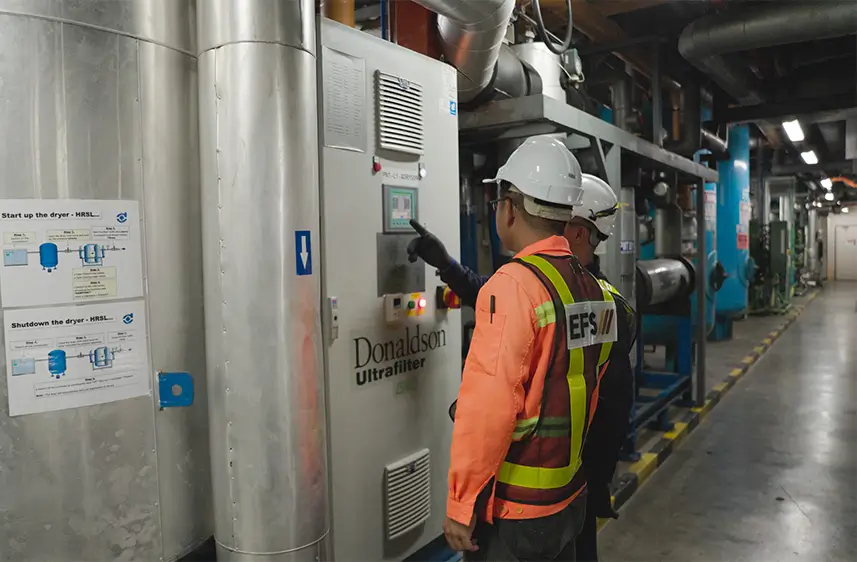
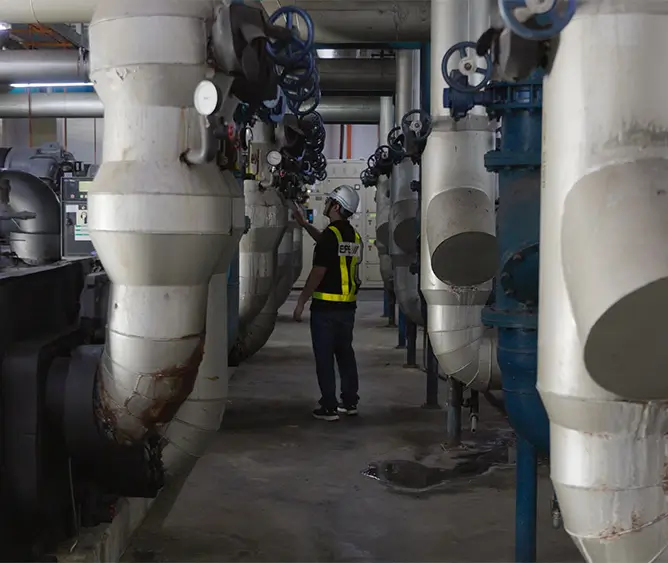
Industrial machinery becomes less efficient when components wear, operating conditions change and minor faults remain unresolved. Misalignment, damaged bearings, poor lubrication, blocked ventilation, leaks, and overheated electrical connections increase energy use and place additional stress on equipment.
Planned machinery maintenance improves equipment reliability, stabilises energy consumption, and reduces unplanned downtime. EFS Group reviews equipment condition, electrical current, temperature, vibration, runtime, and fault history to identify performance issues before they disrupt production.
Which Machinery Requires Regular Maintenance?
Regular maintenance should focus on the facility’s most energy-intensive equipment, including electric motors, pumps, fans, compressors, production machinery, control panels, and supporting electrical systems.
For facilities looking to further reduce electricity costs, these improvements can be complemented by industrial solar PV and Battery Energy Storage System solutions designed around the site’s operating profile.
Large Scale Solar
What Does Industrial Equipment Optimisation Improve?
Industrial equipment optimization enhances equipment performance by addressing unstable operation, inefficient loading, and unnecessary energy consumption identified through continuous monitoring. The objective is to align equipment output with production requirements while reducing energy waste, equipment strain, and operating costs. Optimisation may include adjustments to operating schedules, idle time, motor loading, automation settings, electrical load distribution, Maximum Demand (MD), and energy consumption per unit of production.
EFS Group provides the performance data required to confirm whether each improvement is working. Our team of specialists monitor electricity consumption, equipment runtime, production output, downtime, and fault frequency against an established baseline to verify the effectiveness of each optimization measure. For facilities using an Energy Management System (EMS) in Malaysia, this information supports data-driven maintenance decisions and helps determine whether equipment should be repaired, adjusted, or replaced.
Which Metrics Confirm Better Performance?
- Kilowatt-hours consumed
- Maximum demand
- Equipment runtime
- Production output
- Energy used per production unit
- Downtime duration
- Fault frequency
Performance is measured before and after optimisation to verify improvement in energy efficiency, operational performance, and overall operating costs.
Facilities with high Maximum Demand (MD) charges can also integrate Battery Energy Storage System (BESS) solutions to support peak shaving, optimize electrical load management, and further reduce electricity costs.
What will happen
How Does EV Charging Support Energy Efficiency?
EV charging introduces a significant new electrical load to offices, factories, commercial buildings, residential developments, and fleet facilities. A properly designed charging system matches charger capacity with the available electrical infrastructure, parking duration, daily vehicle demand, and future expansion plans.
EFS Group provides end-to-end EV charging solutions, including electrical load assessments, charger selection, system integration, installation planning, and long-term support. Smart load management helps optimize electricity consumption and prevents charging demand from placing unnecessary strain on the building’s electrical system.
What Determines the Right EV Charging System?
Available electrical capacity
Number of charging bays
Daily vehicle demand
Parking duration
AC or DC charger requirements
Maximum Demand (MD)
Dynamic load management
Future fleet expansion
Solar PV and BESS integration
Across Malaysia, EV charging systems can also be integrated with commercial solar PV solutions and BESS solutions to maximise on-site renewable electricity consumption, optimise charging demand, and reduce reliance on grid electricity.
The Target Audience
Which Facilities Benefit From These Energy Efficiency Services?
EFS Group supports manufacturing plants, factories, warehouses, logistics centres, offices, retail properties, hotels, healthcare facilities, educational buildings, property developments, and fleet depots seeking to improve energy efficiency, equipment reliability, and long-term operational performance.
Each solution is tailored to the facility’s electricity consumption, equipment condition, operating schedules, production requirements, and future energy demand. Explore EFS Group’s complete range of reliable solar solutions for commercial, industrial, residential, and large-scale projects.
Improve Energy Performance Across Your Facility
Rising electricity costs, recurring equipment faults, and limited energy visibility are often signs that a facility could benefit from a comprehensive energy assessment. EFS Group will evaluate your operations, identify priority improvements opportunities, and develop a practical plan covering energy efficiency, machinery reliability, equipment optimisation, and future EV charging requirements.
FAQS
Frequently Asked Questions
What are energy efficiency solutions?
Energy efficiency solutions include energy audits, equipment optimisation, machinery maintenance, monitoring and electrical load management. They help businesses reduce energy use while maintaining operational performance.
What does an energy audit cover?
An energy audit reviews electricity consumption, Maximum Demand, equipment performance, operating hours, production data and maintenance records. It identifies energy-saving opportunities, implementation costs and expected payback periods.
How much historical data is required?
Prepare at least 12 months of electricity bills and operating data. Industrial audits may use up to five years of records and at least 14 days of detailed system monitoring.
Does machinery maintenance reduce energy use?
Yes. Repairing wear and tear, misalignment, leaks, overheating and poor operating conditions can reduce unnecessary equipment load and improve reliability.
What is equipment optimisation?
Equipment optimization uses performance data to improve controls, operating schedules, loading and maintenance. Results are measured through energy use, production output, runtime and downtime.
Does EFS Group install EV chargers?
Yes. EFS Group provides EV charging solutions for commercial, industrial and residential properties, covering electrical assessment, charger selection, system integration, installation, commissioning and long-term support.